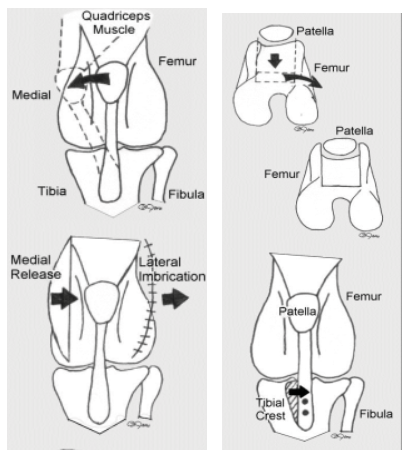
A patellar luxation occurs when the kneecap, or patella, moves out of its normal position within the groove at the end of the femur. As the knee bends and straightens, the patella normally glides smoothly within this groove. This helps the muscles and tendons of the hind leg work efficiently. When the patella slips out of place, the normal mechanics of the knee are disrupted.
Patellar luxation is a common orthopedic condition in dogs and can affect dogs of any size, although it is particularly common in small and toy breeds. Some dogs are born with an abnormal alignment of the hind limb that predisposes them to patellar luxations, while others develop the condition as they grow. Trauma can also cause the patella to luxate.
What Does Patellar Luxation Look Like?
The signs of patellar luxation can vary depending on the severity of the condition. Some dogs have occasional episodes where they suddenly carry a rear leg for several steps before returning to normal. Others develop persistent lameness, stiffness, or difficulty with activities such as running, jumping, or climbing stairs.
Dogs with luxations can present very differently from each other. Some dogs will have no noticeable signs, while others have significant lameness and progressive joint changes.
Diagnosis
Diagnosing patellar luxation begins with a thorough history and orthopedic examination. During the examination, we evaluate the position and stability of the patella and assess the overall alignment and function of the hind limb.
Patellar luxations are typically graded from Grade I through Grade IV based on how easily the kneecap can be moved out of position and whether it returns to its normal location. X-rays are often recommended to evaluate the bones and joints, assess limb alignment, identify arthritis, or other abnormalities, and help with surgical planning.
| Grade I Kneecap can be manipulated out of its groove, but returns to a normal position on its ownKneecap can be manipulated out of its groove, but returns to a normal position on its own. | Grade II Kneecap rides out of its groove occasionally and can be replaced in its groove by manipulation. |
| Grade III Kneecap rides out of its groove most of the time but can be replaced in its groove by manipulation. | Grade IV Kneecap rides outside of its groove all the time and cannot be manipulated into a normal position. |
When Is Surgery Recommended?
Not every dog with a luxating patella requires surgery. Dogs with mild luxation and little or no clinical discomfort may sometimes be monitored. However, surgery is often recommended when luxation causes persistent lameness, pain, recurrent episodes of skipping or carrying the limb, significant instability, or progressive orthopedic changes.
The goal of surgery is not simply to put the kneecap back into place. The underlying alignment of the limb must be addressed so the patella can remain stable during normal activity.
Patellar Luxation Surgery
Surgical treatment is tailored to each patient's anatomy and the severity of the luxation. Depending on the individual case, several techniques may be combined to restore proper alignment and stabilize the kneecap.
These procedures may include deepening the groove where the patella normally sits, repositioning the attachment of the patellar tendon on the tibia, and correcting abnormal bone alignment when necessary. Soft tissues around the knee may also be adjusted to help keep the patella properly centered.
Because every patellar luxation is different, our orthopedic surgeons carefully evaluate the entire hind limb rather than treating the kneecap in isolation. This allows us to develop a surgical plan based on your dog's specific anatomy and needs.
Surgery for patellar luxation is generally very successful, and most dogs return to comfortable, active use of the leg. The most common complication is re-luxation of the kneecap, which becomes more likely with higher-grade luxations and more severe limb deformity. When deepening the groove is combined with realigning the tibial attachment, the risk of recurrence is substantially reduced—one reason we evaluate and address the whole limb rather than the kneecap alone.
Recovery & Rehabilitation
Following surgery, controlled activity and careful postoperative management are essential while the tissues and bones heal. We will guide you on how to gradually increase your dog’s activity according to their progress, with follow-up examinations and X-rays to monitor recovery.
Rehabilitation can help restore muscle strength, range of motion, coordination, and comfortable use of the affected leg.
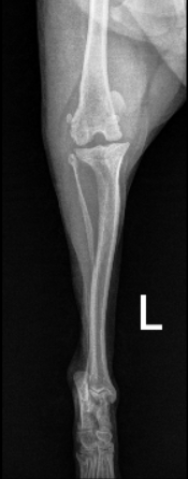
Grade 3 Patella Luxation
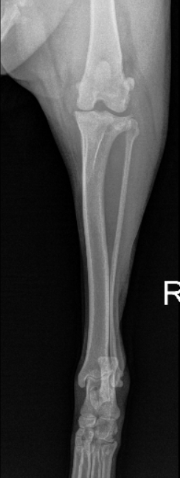
No Patella Luxation